Then And Now, Again

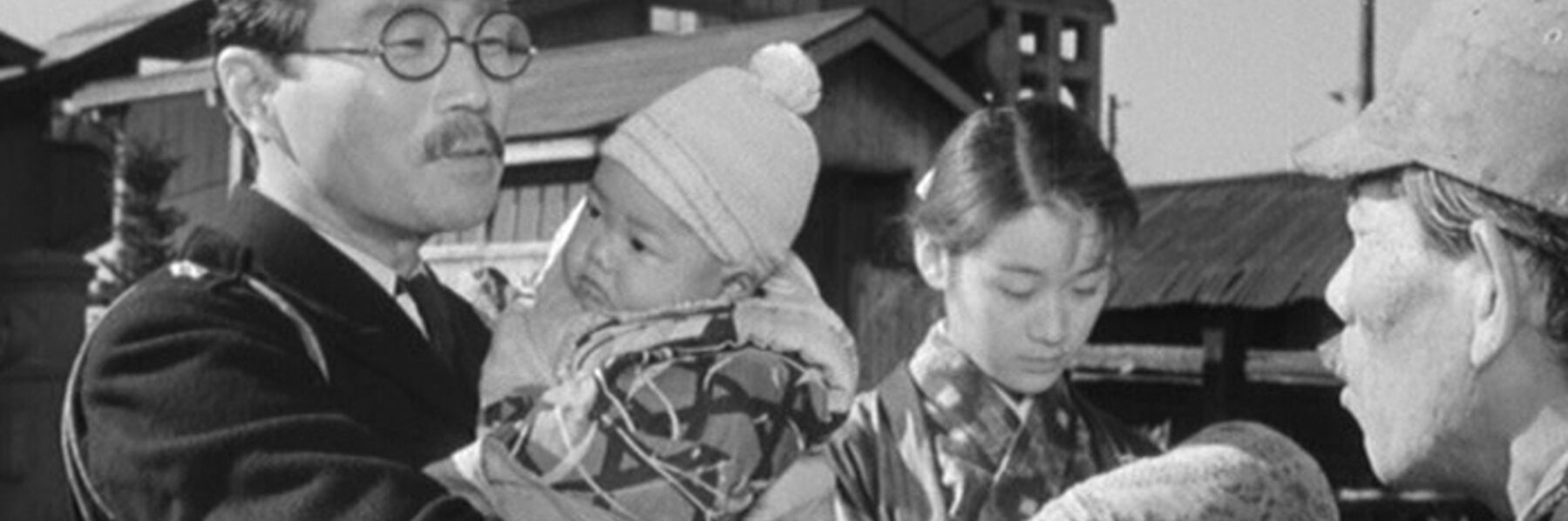
In Ozu’s “There Was A Father”, the pivotal moment early in the film was the school trip to Hakone. Below is the Ashinoko, the Lake in Hakone area. Hakone has been one of the most popular resorts in Japan, being close to Tokyo metropolis. This is 1942, almost 70 years ago. Ashinoko and Mt. Fuji, “There Was A Father (1942)” This is Ashinoko now. A Pirate Ship ans Mt.Fuji (via hakone-kankosen.co.jp) No, they are not shooting “Pirates of Caribbean : Final Chapter -There Was A Captain”. There are three pirates ships in operation as tourist attractions. I don’t know what …

Then and Now, and In Between (Part 2)

Earthquake and Transformation On September 1, 1923, one of the largest earthquake in modern history of Japan hit the Kanto area. The death toll was more than 100,000, and the city was devastated by collapse, landslide and most of all, fire. The whole city was destroyed. Ozu has just started as a camera stuff in Shochiku, when the earthquake devastated the area. During the studio shutdown, he and his family had to rebuild their life again from scratch. This devastation initiated change in the city. Even before the earthquake, there were scholars and policy makers who insisted Tokyo need the …

An Error of objective fact

Over at Roger Ebert’s blog, he contemplates about the film criticism and Rotten Tomatoes. It is very interesting reading and makes you think about how you appreciate films, as always. Especially, I find two passages very interesting. Mr. Ebert writes: “I’ve taught both (“Citizen Kane” and “The Rules of the Game”) shot-by-shot and had many students who confessed they didn’t feel the greatness. ” Even though I admire both films, I can understand many people, even those who are conscious about visual aspect of the film art, find them boring. Is it because passing of time made their “greatness” mundane …